
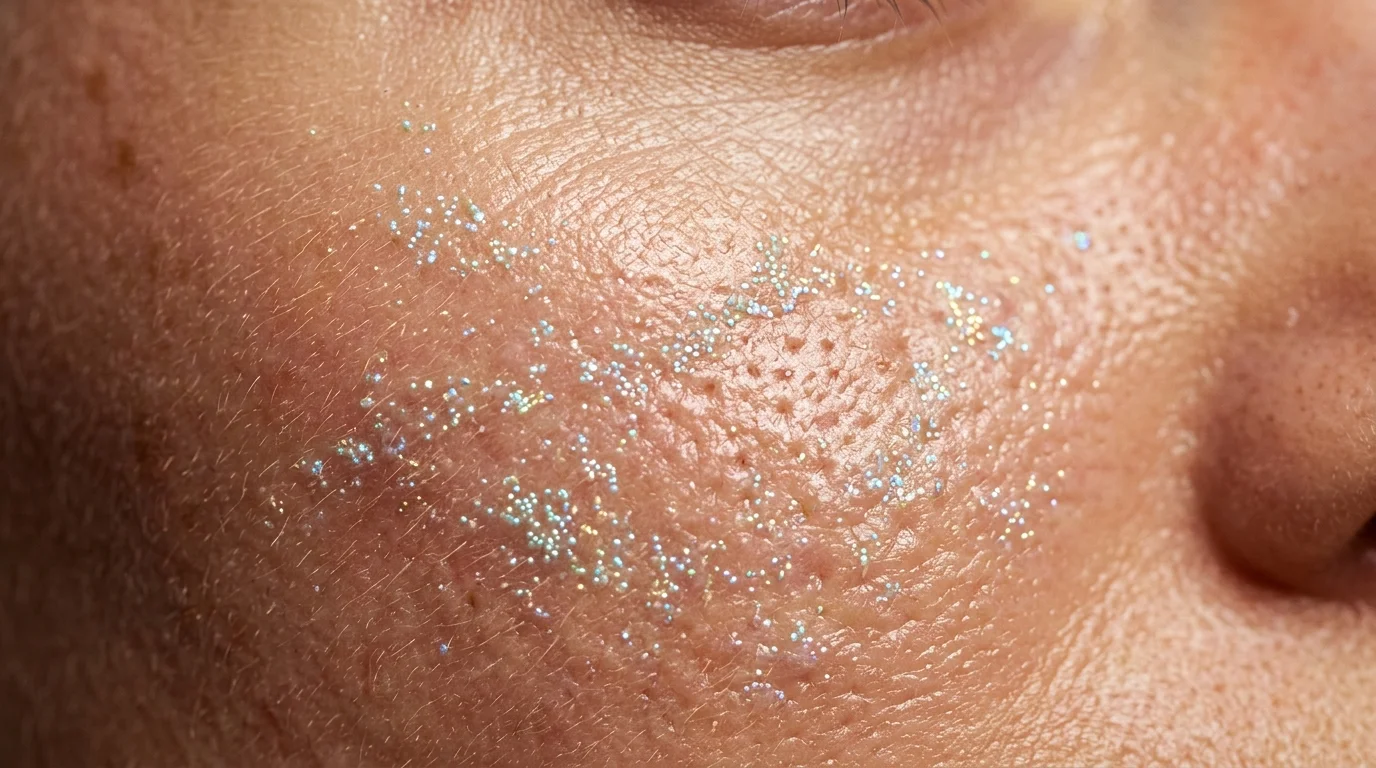
Do you experience sudden acne breakouts or stinging redness after washing your face with "deep cleansing" soaps? The dermatological explanation lies not in environmental dirt, but in what you are doing to your friendly bacteria.
We tend to think clean skin means "sterile" skin. However, living on your facial surface is a protective shield known as the skin microbiome.
The Invisible Ecosystem: What Is the Skin Microbiome
Microscopic comensal organisms live on every square inch of your skin in symbiosis with your epidermal cells:
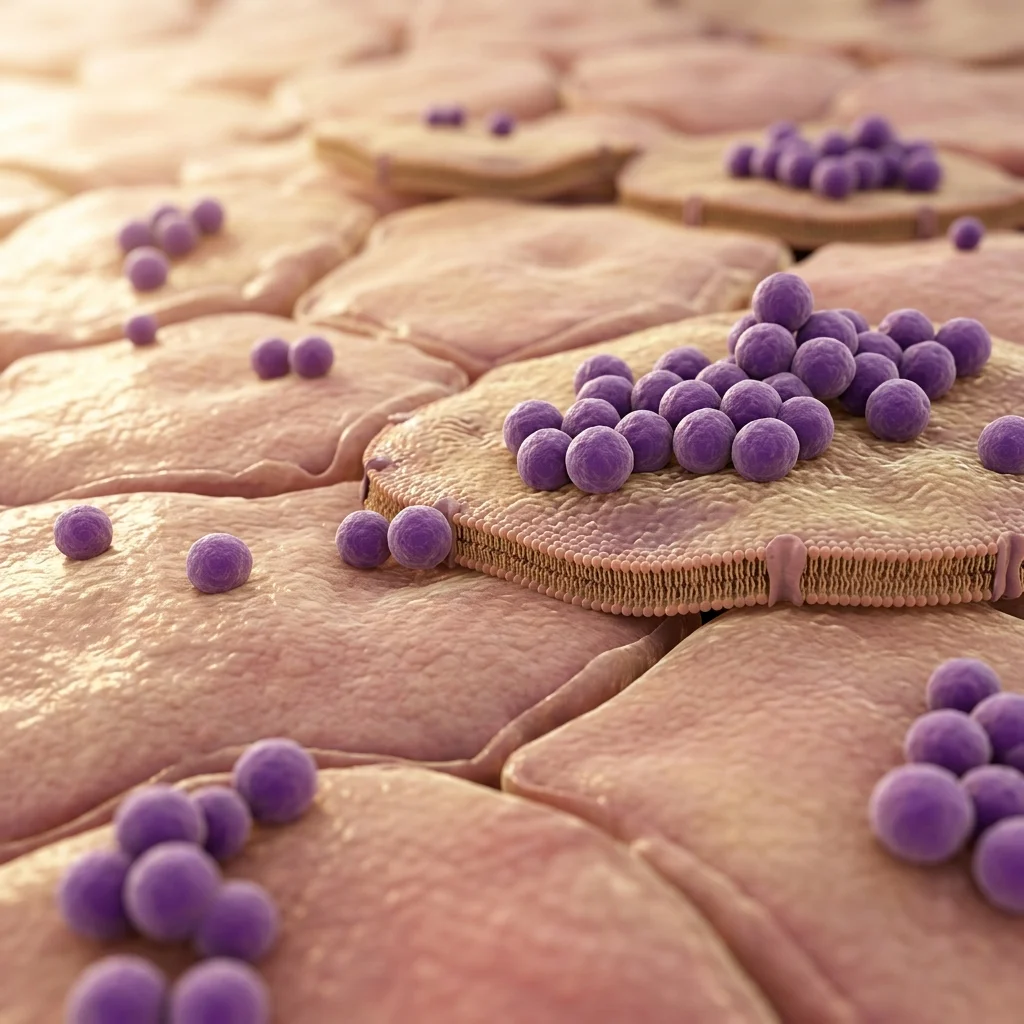
- Immunological Shield: Your microbiome is the first physical barrier interacting with air, makeup, and pollution.
- Immune Training: Teaches host defenses to distinguish friendly bacteria from dangerous pathogens.
- pH Acidification: Comensal bacteria metabolize sebum lipids releasing free fatty acids maintaining pH at 5.5.
Microbial Diversity:
Your face harbors over 1,000 distinct bacterial species forming a unique ecosystem as personal as your fingerprint.
💡 Friendly Bacteria Secret
Skin with a biodiverse microbiome resists frequent inflammation because beneficial bacteria physically occupy follicle entryways, denying harmful strains a place to settle.
Staphylococcus epidermidis vs. Cutibacterium acnes: Battle in Your Pores
Inside pilosebaceous follicles, a continuous biological balance takes place between two major bacterial species:
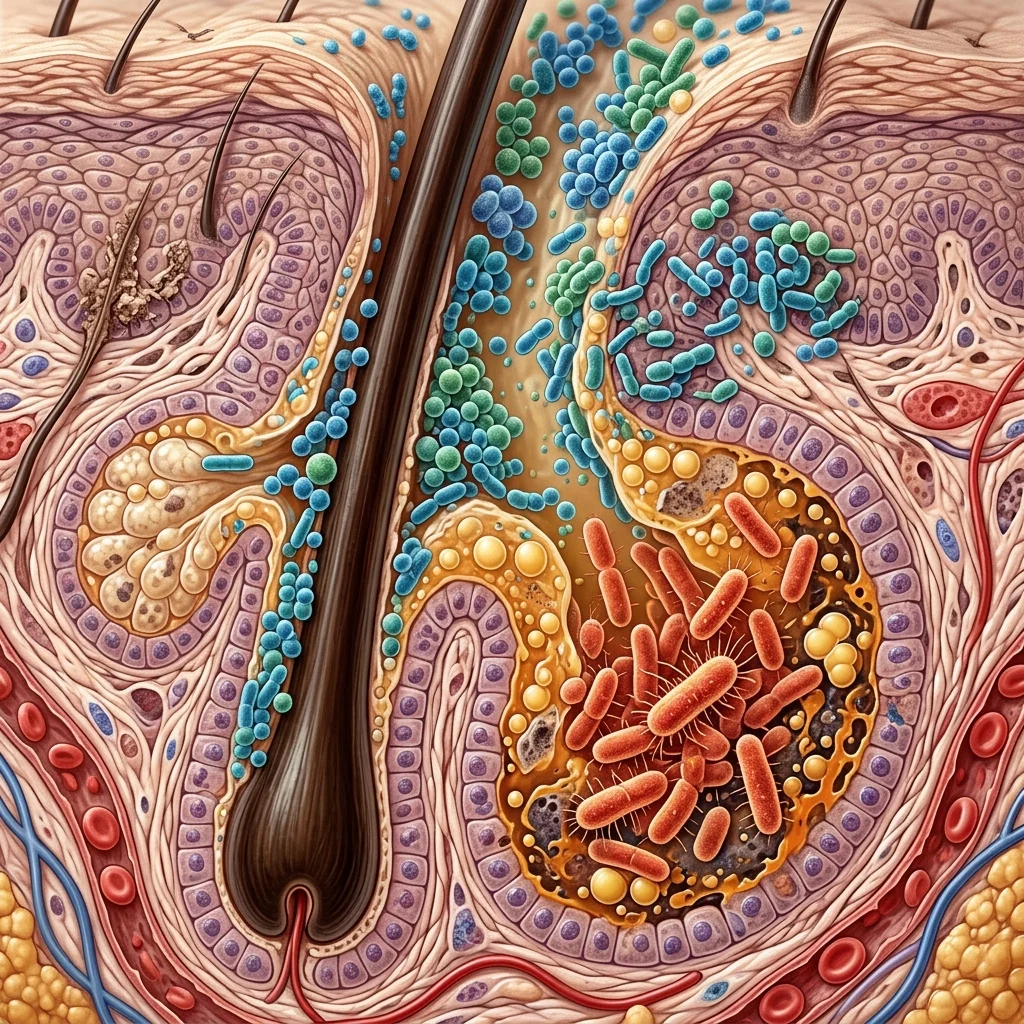
- Staphylococcus epidermidis (The Guardian Bacteria): Produces natural antimicrobial peptides that inhibit acne strains and calm irritation.
- Cutibacterium acnes (The Resident Species): Harmless under normal conditions, helping metabolize sebum.
- Dysbiosis: Stripping friendly flora or disrupting pH 5.5 causes virulent C. acnes strains to overgrow, triggering inflammation.
ℹ️ What Is Cutaneous Dysbiosis?
It is the loss of skin microbial diversity. When protective guardian bacteria die off, opportunistic strains dominate the pore, triggering acne and redness.
The Danger of Antibacterial Soaps on Facial Skin
Using alkaline soaps, disinfectant wipes, or harsh sulfate cleansers to "strip oil" creates a biological desert:

Washing your face with harsh disinfectants wipes out Staphylococcus epidermidis colonies, leaving follicles unprotected.
✅ Signs You Disrupted Your Facial Microbiome
Saved locally in your browser — mark at your own pace.
Atraumatic Biomechanical Cleansing: UpPoly Technology
How can you keep pores clean without destroying friendly guardian bacteria?
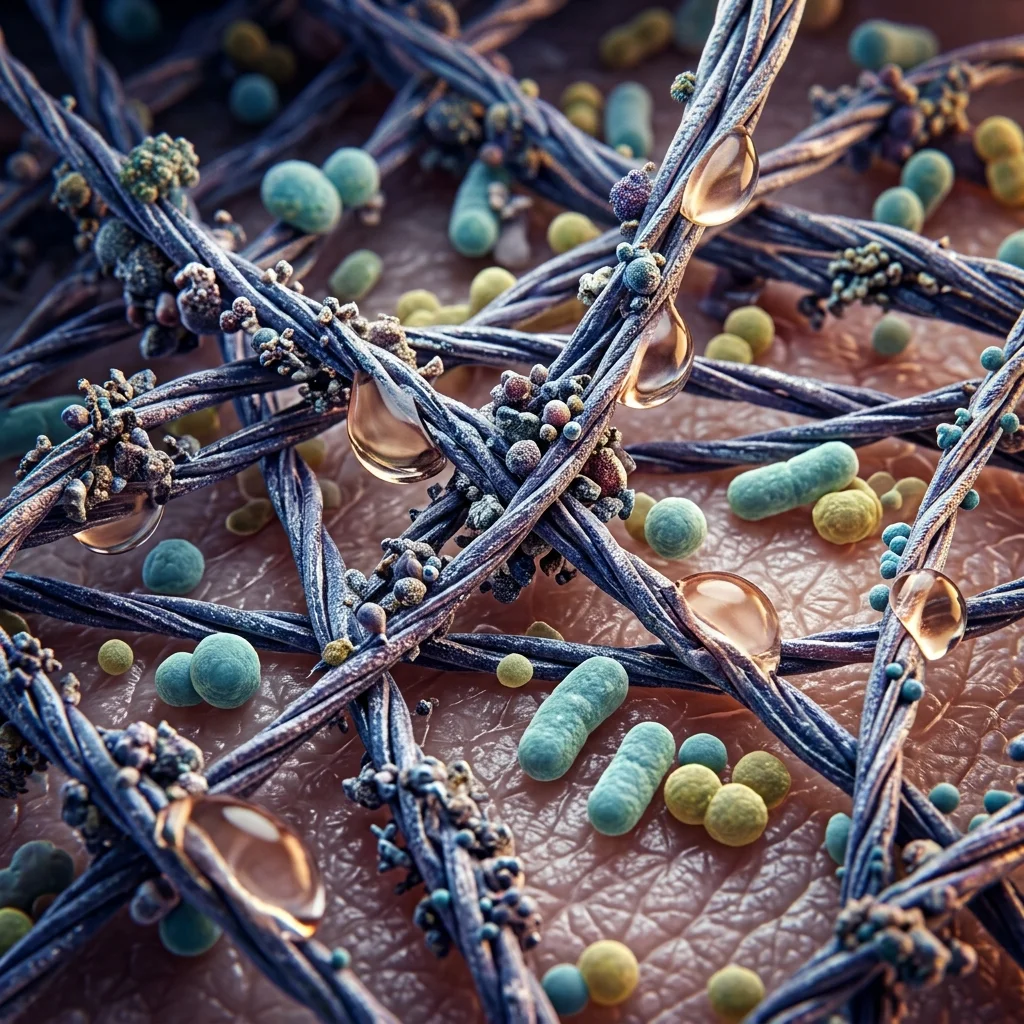
The clinical answer is physical capillary cleansing with Japanese UpPoly microfiber (in the Laska Mini line):
- Selective Removal: Split micro-fibers capture oxidized lipids, smog, and makeup using warm water without harsh chemicals.
- Intact Microbiome: Without alkaline soaps or surfactants, S. epidermidis colonies remain safely attached.
- pH 5.5 Preserved: Acid mantle remains intact, preserving natural self-repair power.
🧠 Facial Microbiome Quiz
What is the primary protective function of Staphylococcus epidermidis?
Protect Your Cutaneous Ecosystem
Beautiful skin is not about sterilizing your face, but protecting the microscopic allies defending it every day. Switch to warm water and UpPoly microfiber cleansing to let your skin microbiome regain balance and radiance.