
Do you feel your skin stinging when applying your usual moisturizer? Your skin barrier is asking for help.
Behind constant tightness and burning lies a compromised skin barrier and an imbalanced microbiome.
What is the Skin Barrier? Bricks and Mortar
Imagine the outermost layer of your skin as a protective brick wall:
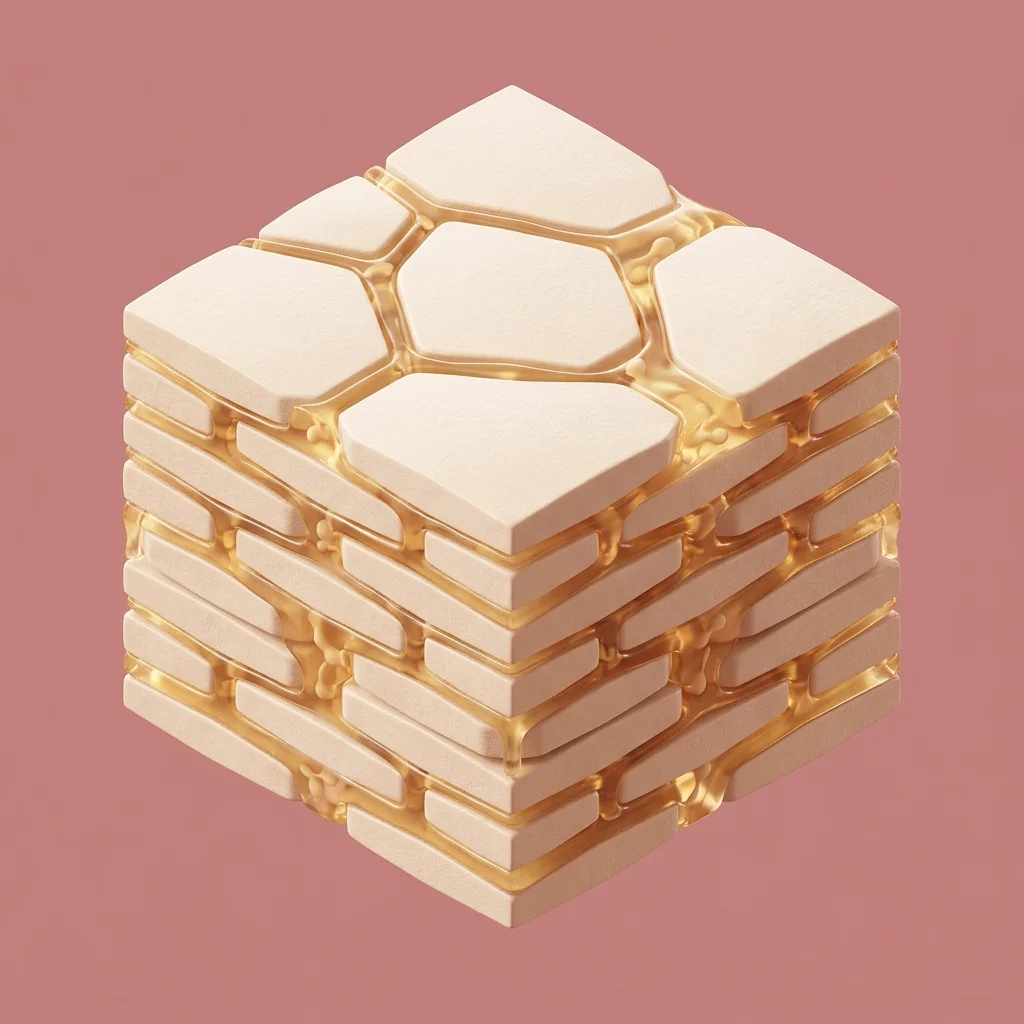
- Bricks (Corneocytes): Keratin-packed cells protecting against physical friction.
- Mortar (Lipid Matrix): Biological cement composed of 50% Ceramides, 25% Cholesterol, and 15% Free Fatty Acids.
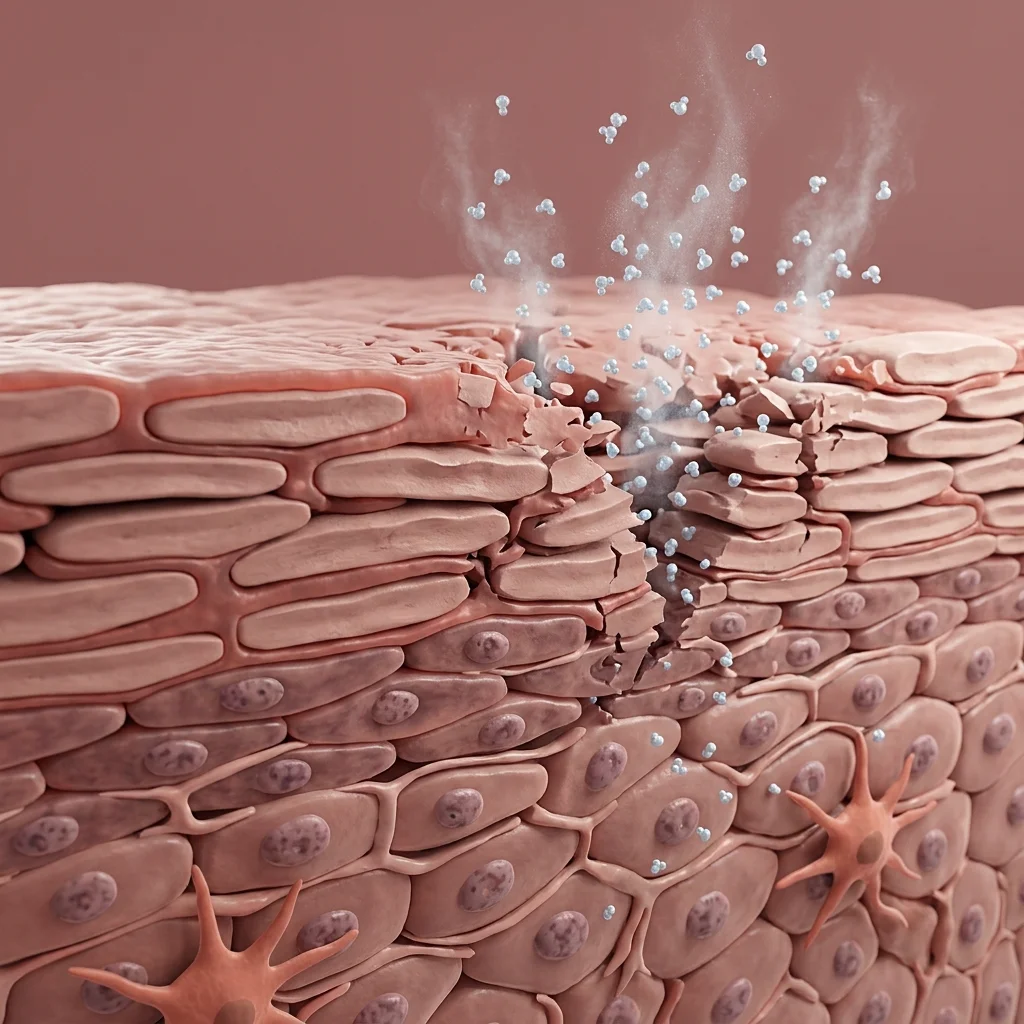
When the lipid mortar degrades over time, internal cellular water escapes rapidly into the surrounding dry atmosphere.
30% to 50%
of severe eczema patients present filaggrin protein mutations.
💡 The 3:1:1 Ratio Secret
For impenetrable skin mortar, ceramides, cholesterol, and fatty acids must exist in an exact 3:1:1 ratio.
The Acid Mantle and Microbiome
Above the brick wall lies an invisible hydro-lipid shield called the acid mantle (pH 4.5 to 5.5).
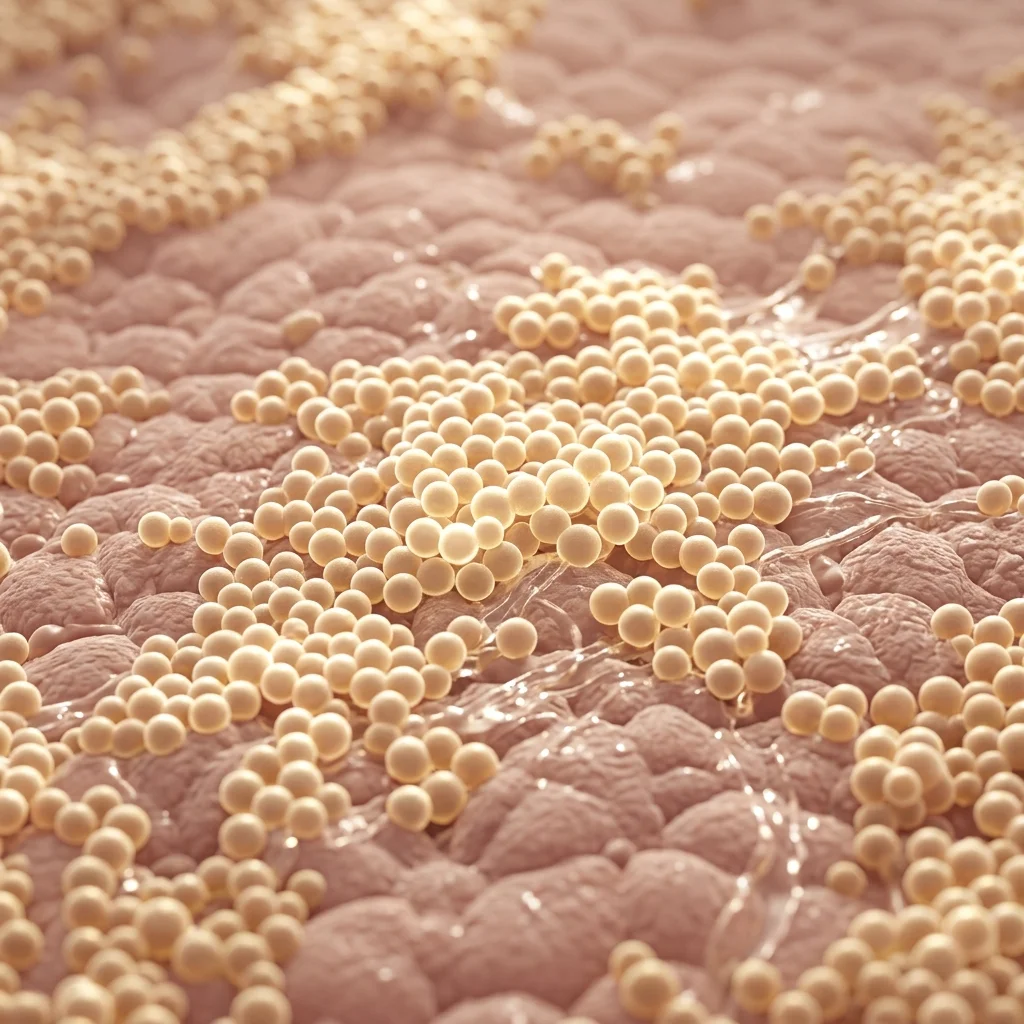
This acidic habitat inhibits pathogens while nourishing your skin microbiome.
Symbiotic bacteria like Staphylococcus epidermidis synthesize natural antimicrobial defenses.
ℹ️ Inflammatory Dysbiosis
Dysbiosis occurs when beneficial microbes are stripped away, triggering chronic sensitivity.
What Destroys Your Skin Barrier Daily?
- Extreme Weather: Low humidity accelerates Transepidermal Water Loss (TEWL).
- Aggressive Cleansers (Sulfates): Heavy surfactants dissolve lipid mortar like grease in a pan.
- Over-Exfoliation: Chemical acids remove protective layers before cellular regeneration.
✅ Warning Signs: Is your barrier damaged?
Saved locally in your browser — mark at your own pace.
Step-by-Step: Repairing Your Skin Barrier Today
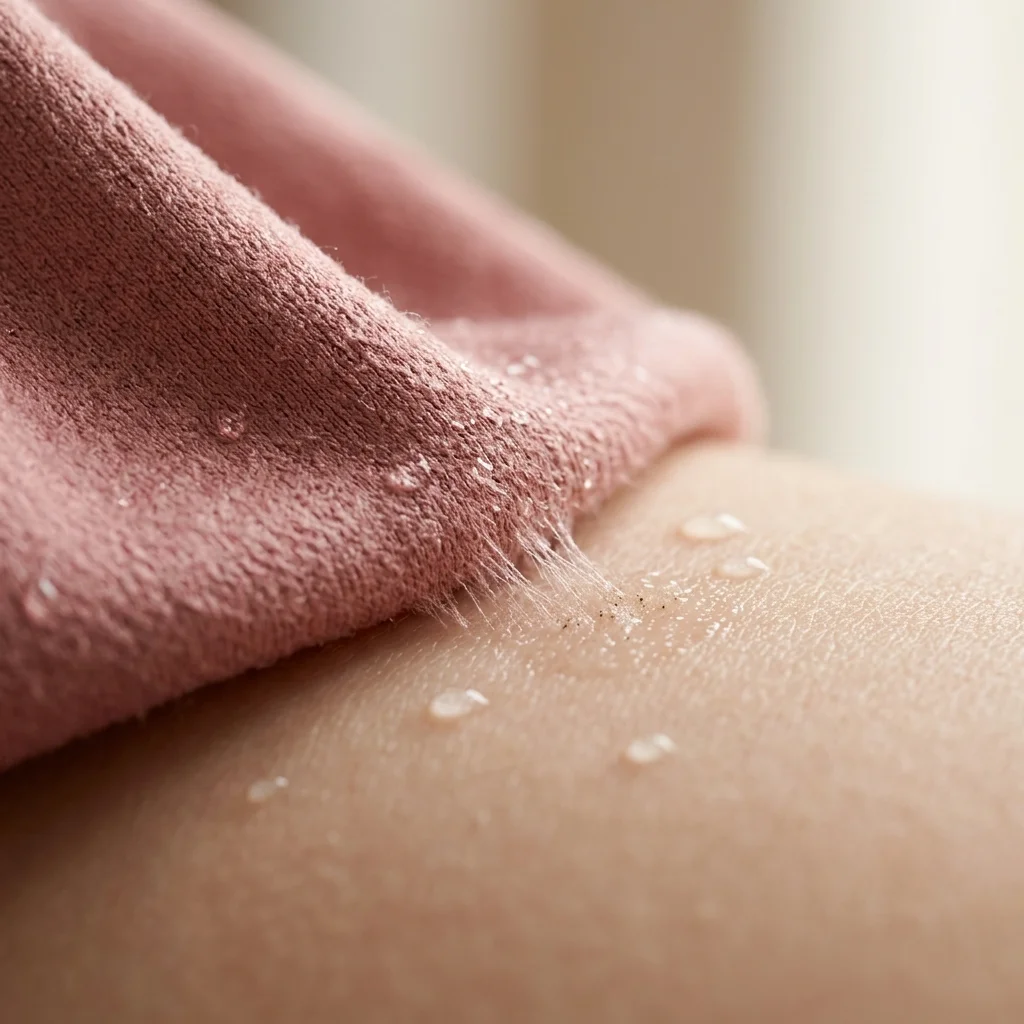
- Atraumatic Physical Hygiene: Avoid hot water and foaming soaps. Opt for UpPoly microfiber technology (Laska Mini line) that cleans pores via capillary action.
- Lipid Replenishment: Use creams enriched with ceramides and squalane.
- Topical Prebiotics: Choose cosmetic formulations with inulin to nourish commensal bacteria.
🧠 Barrier Diagnostic Test
What is the primary indicator of lipid mortar breakdown?
The Acne Myth
Washing your face multiple times a day to dry out pimples strips essential ceramides, triggering sebaceous glands to produce double the oil. Repairing the barrier is essential for clearing acne.